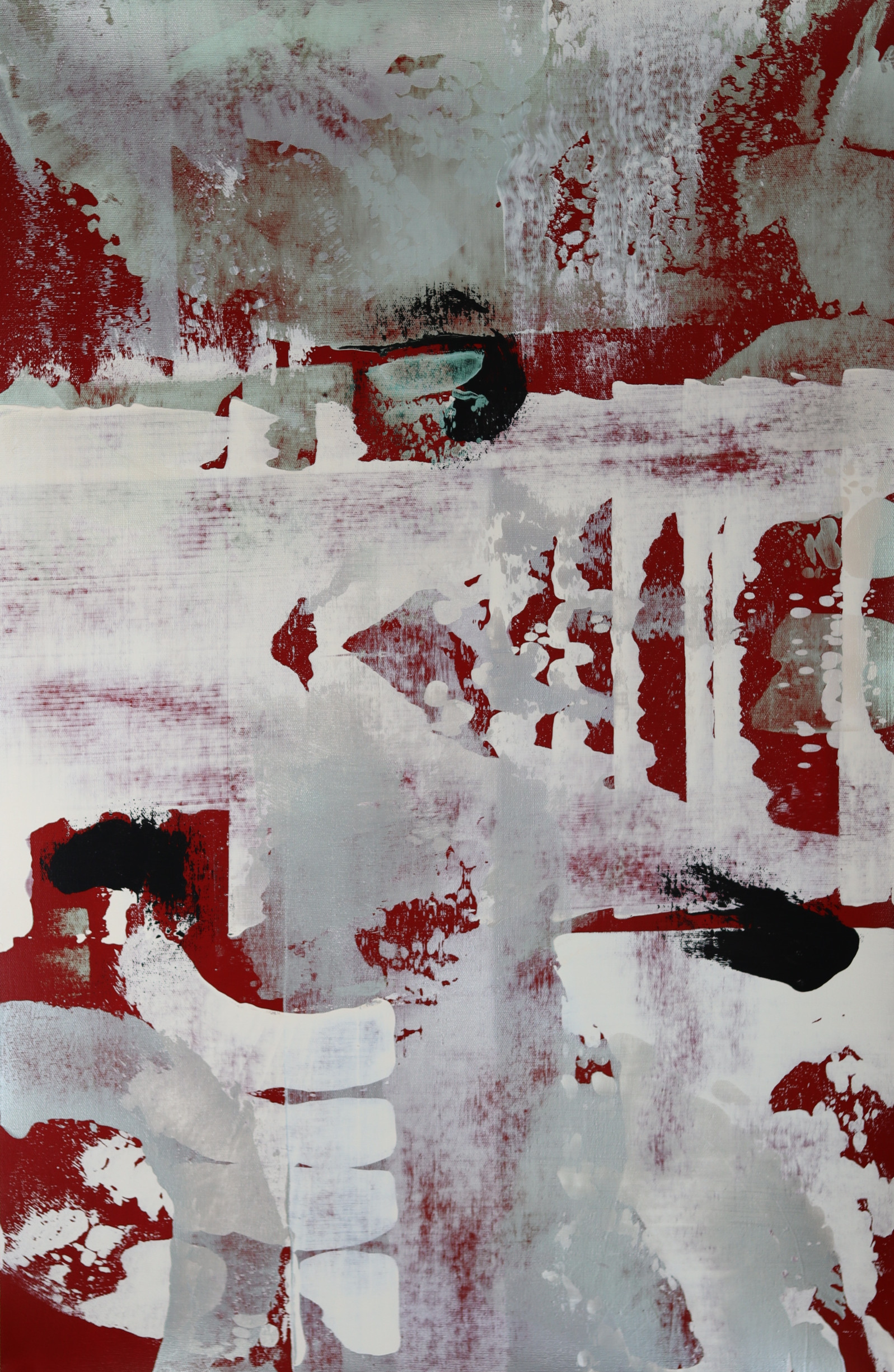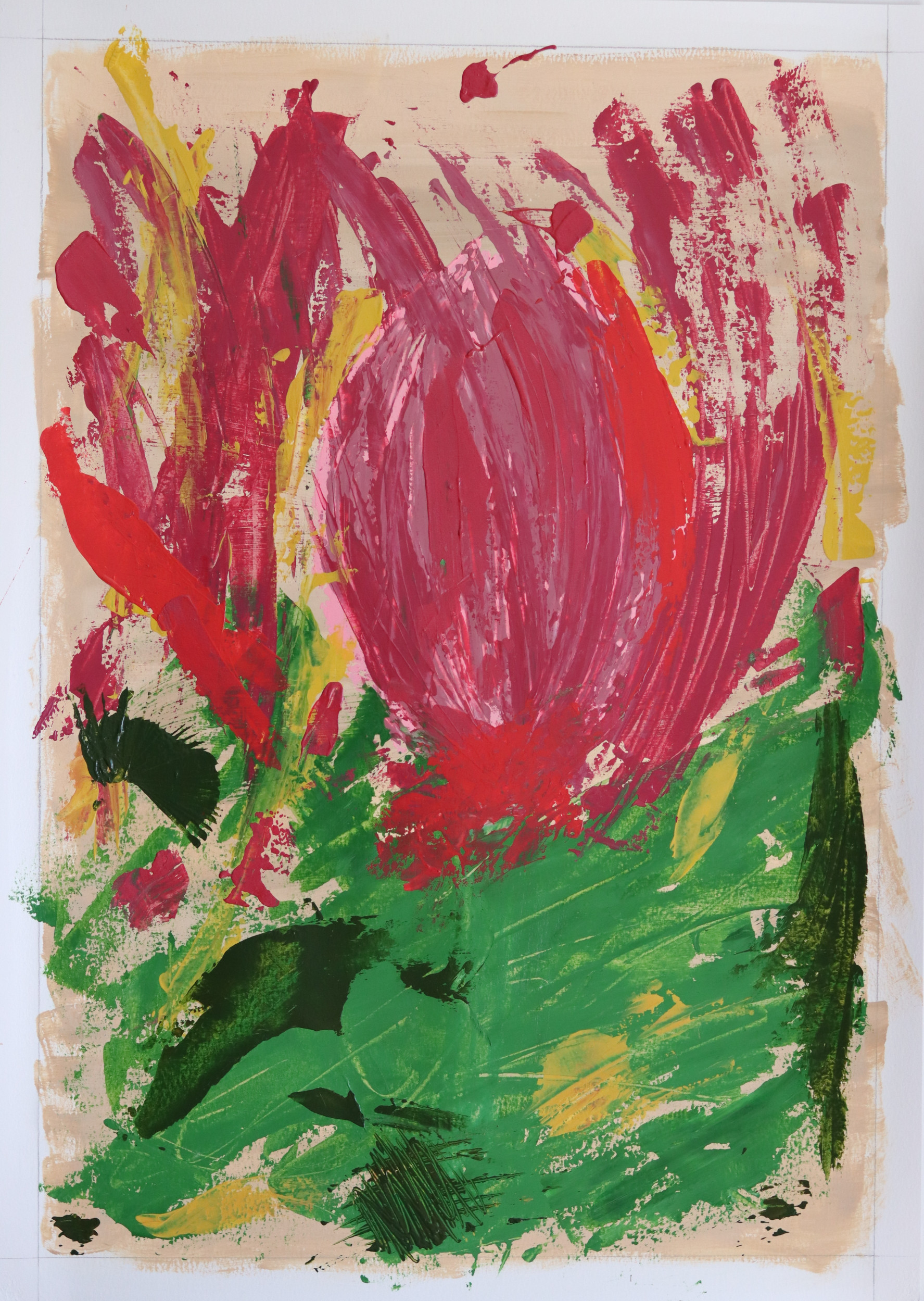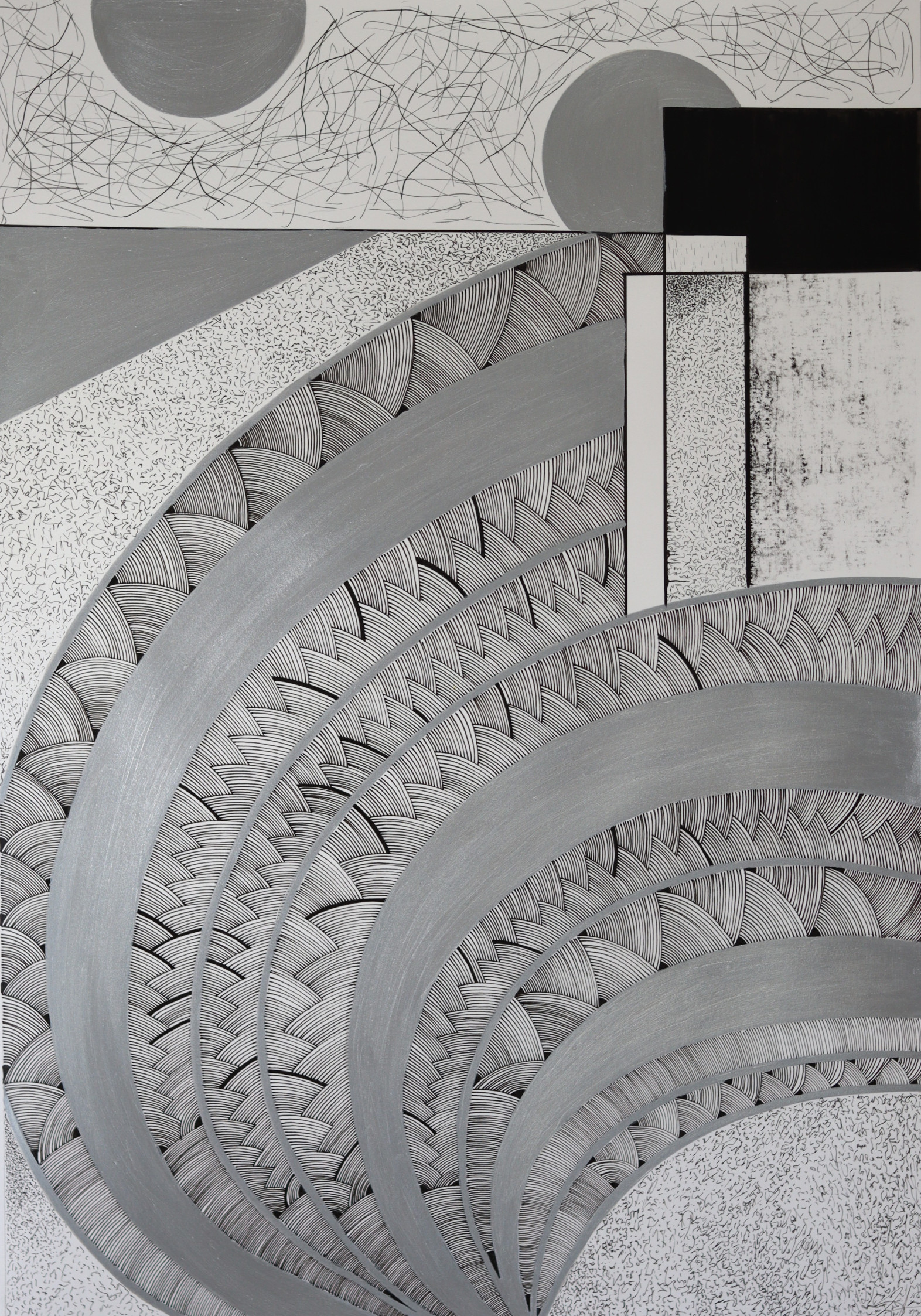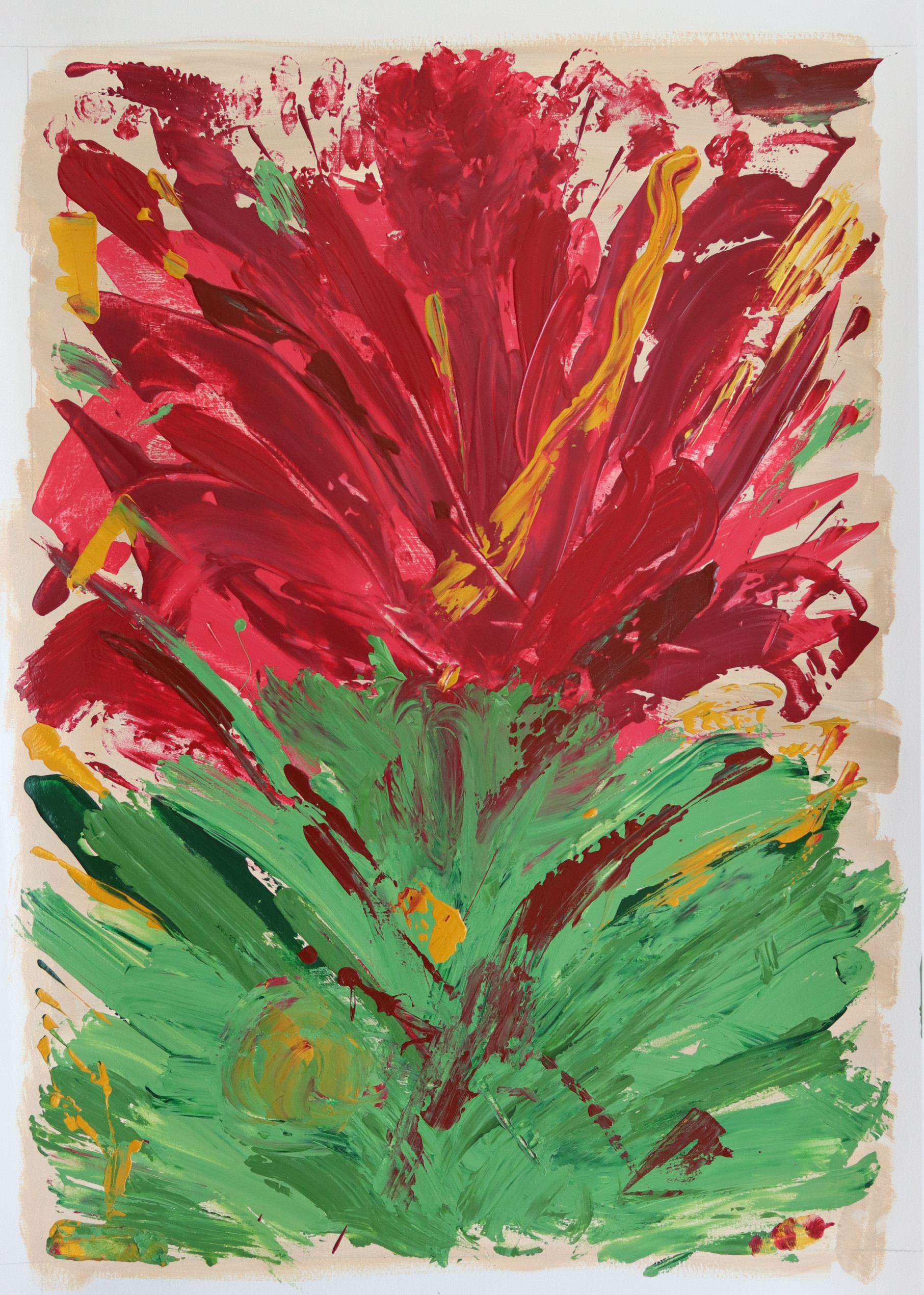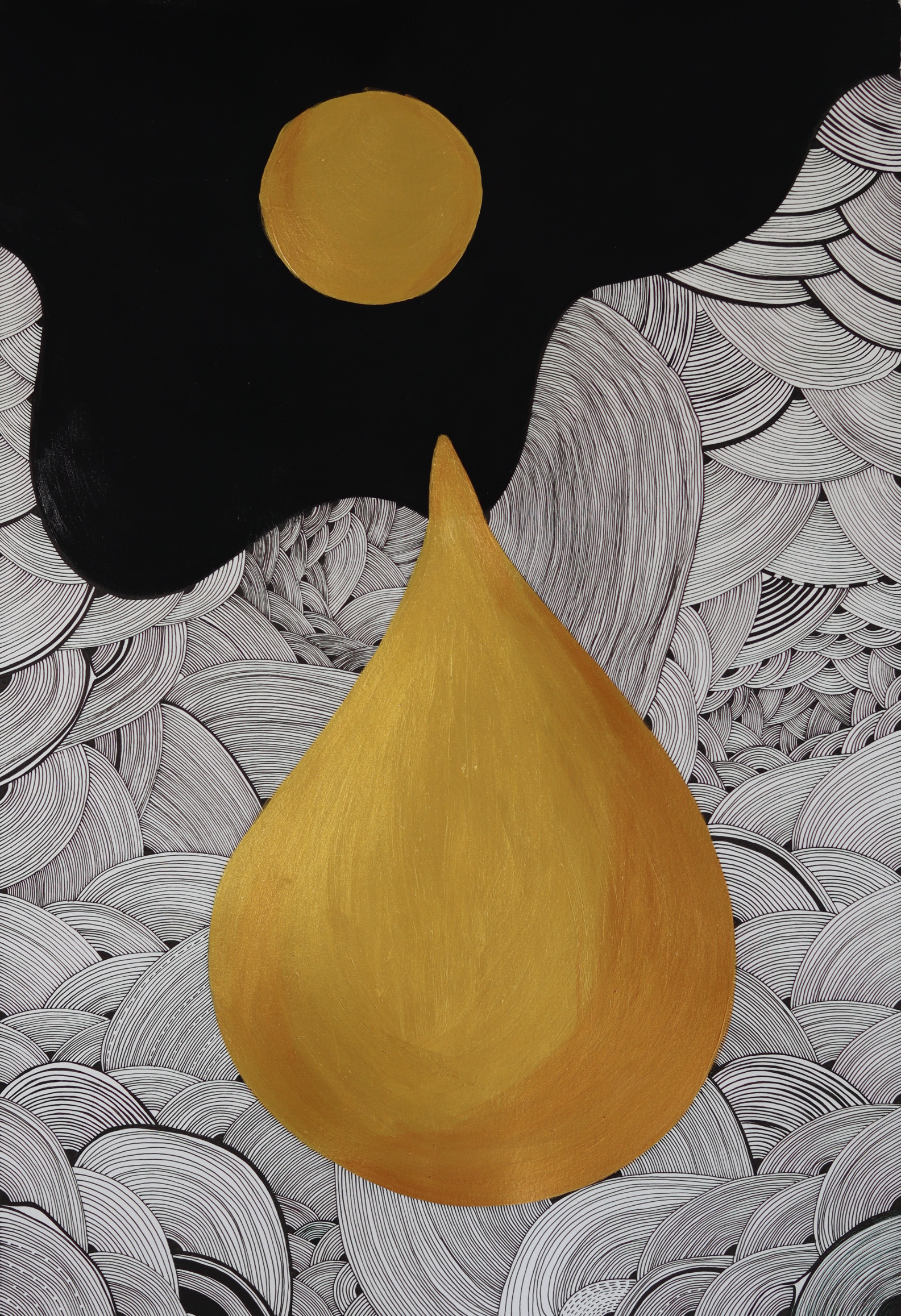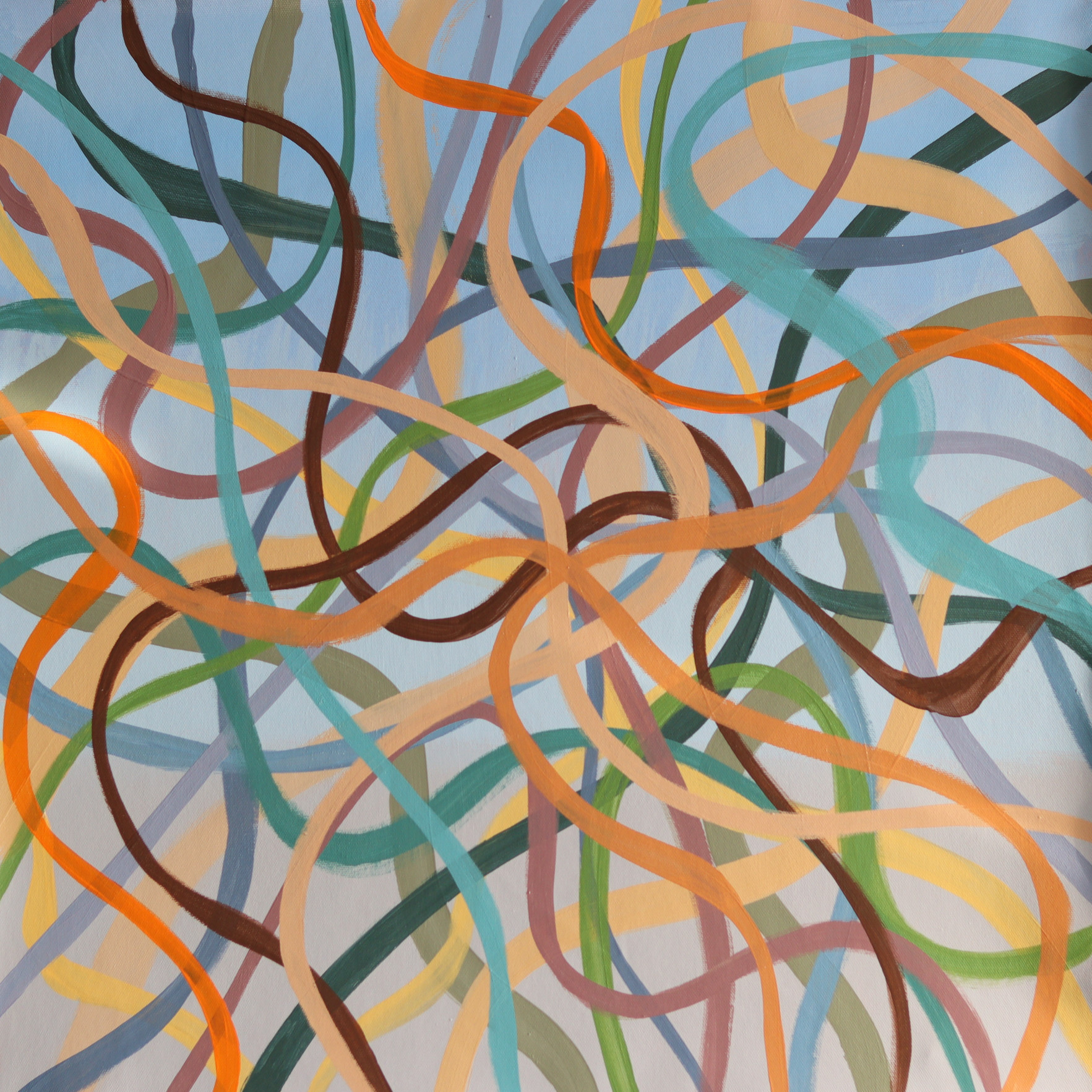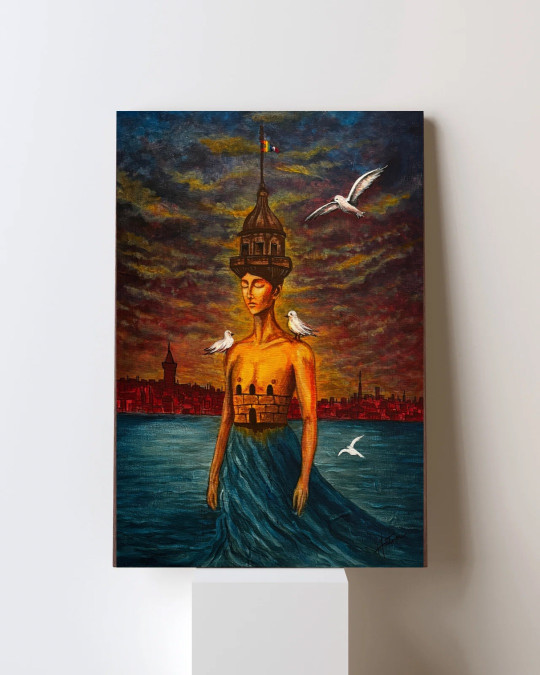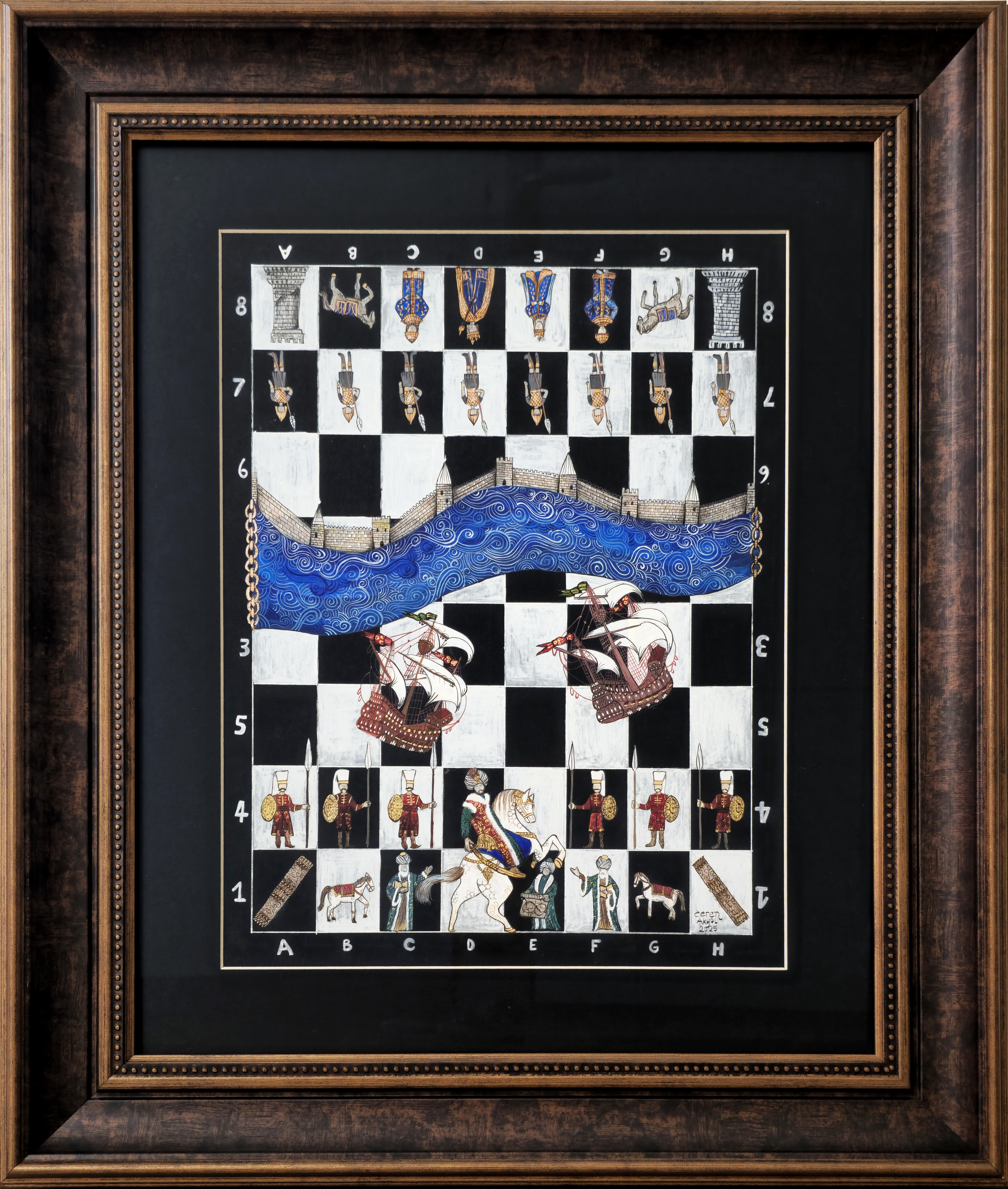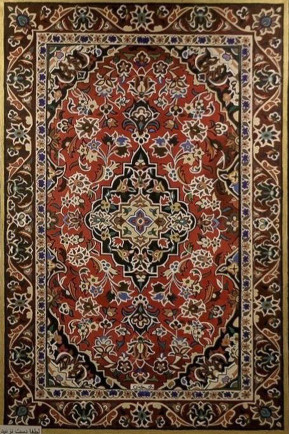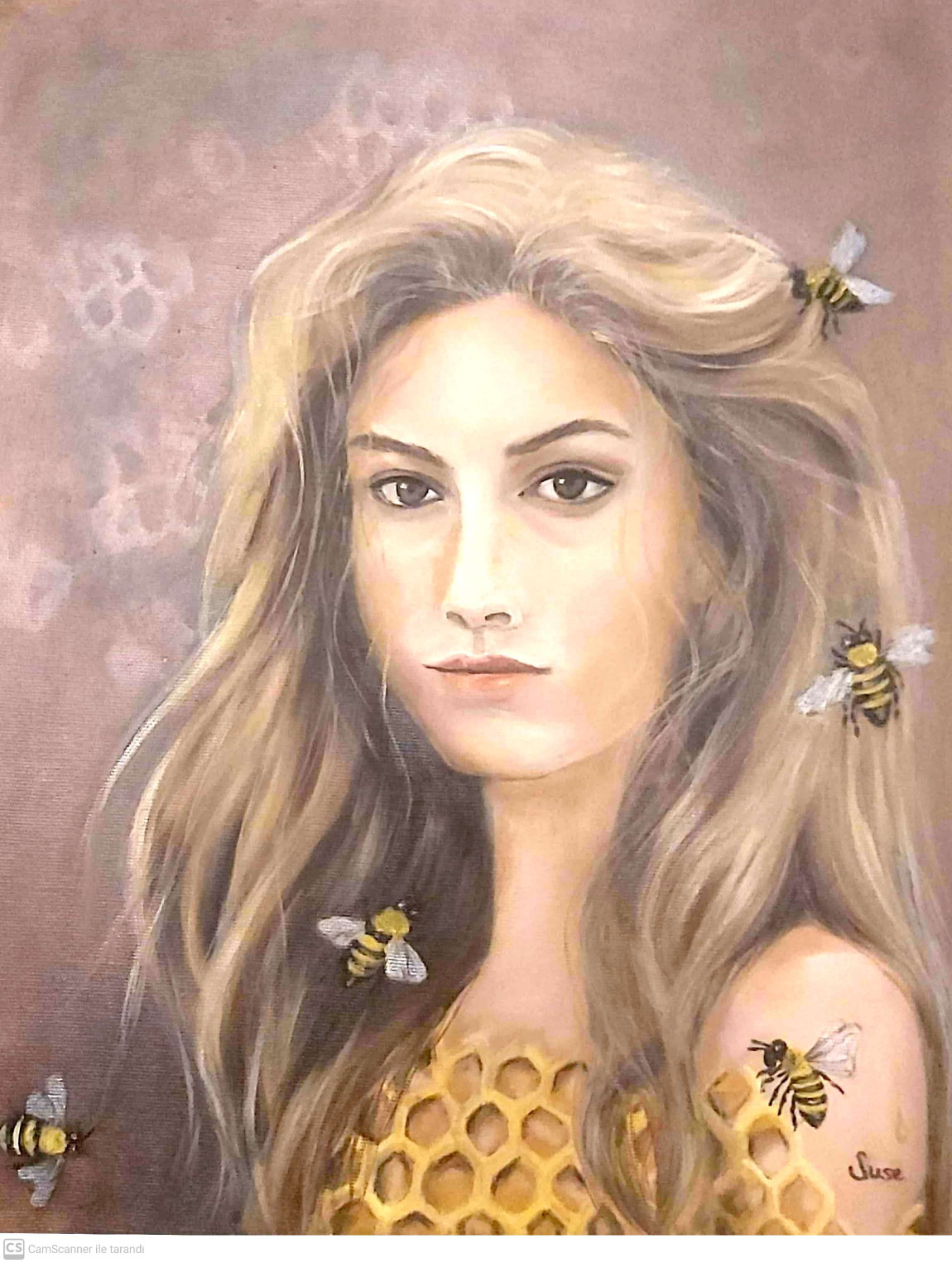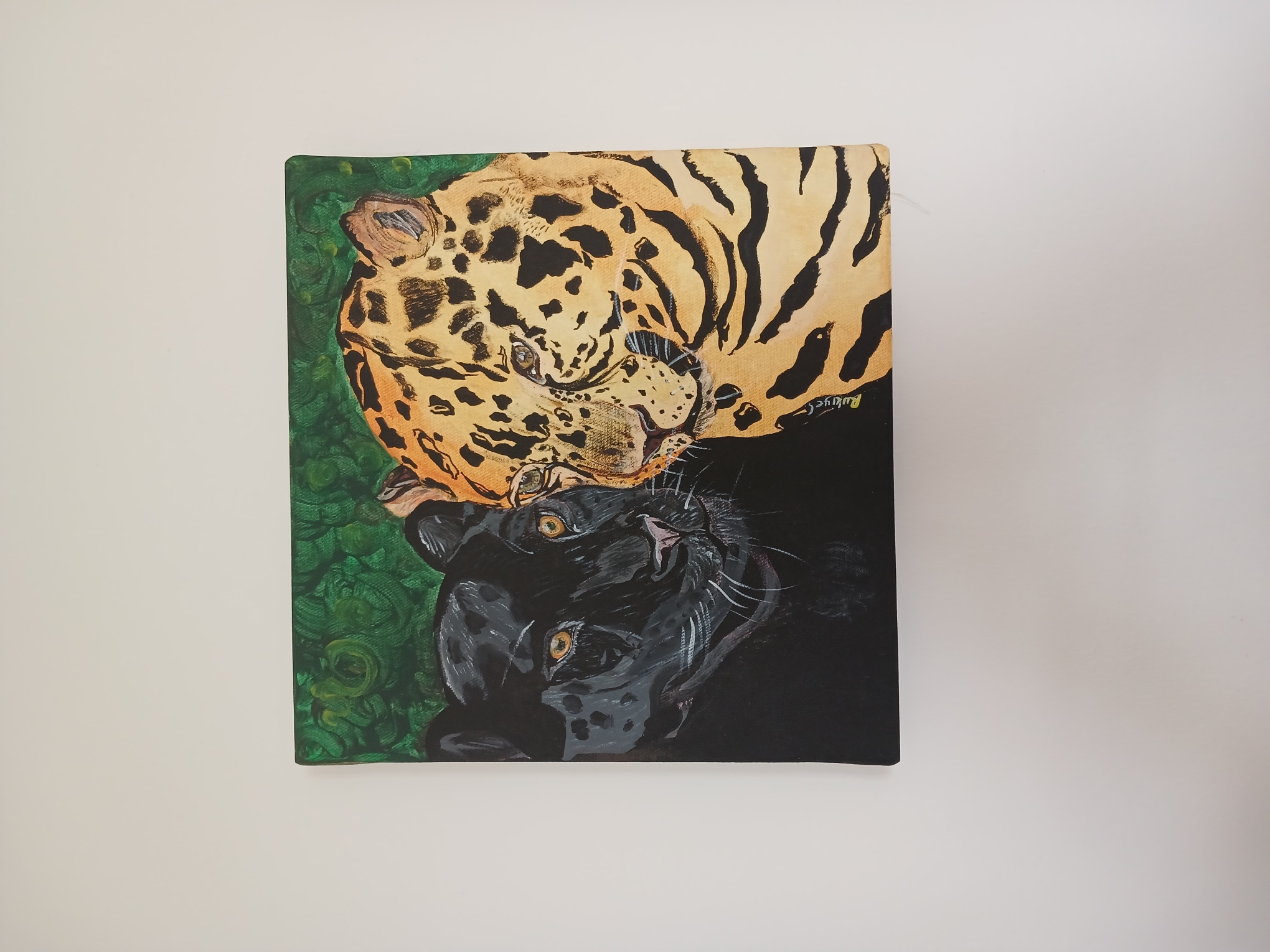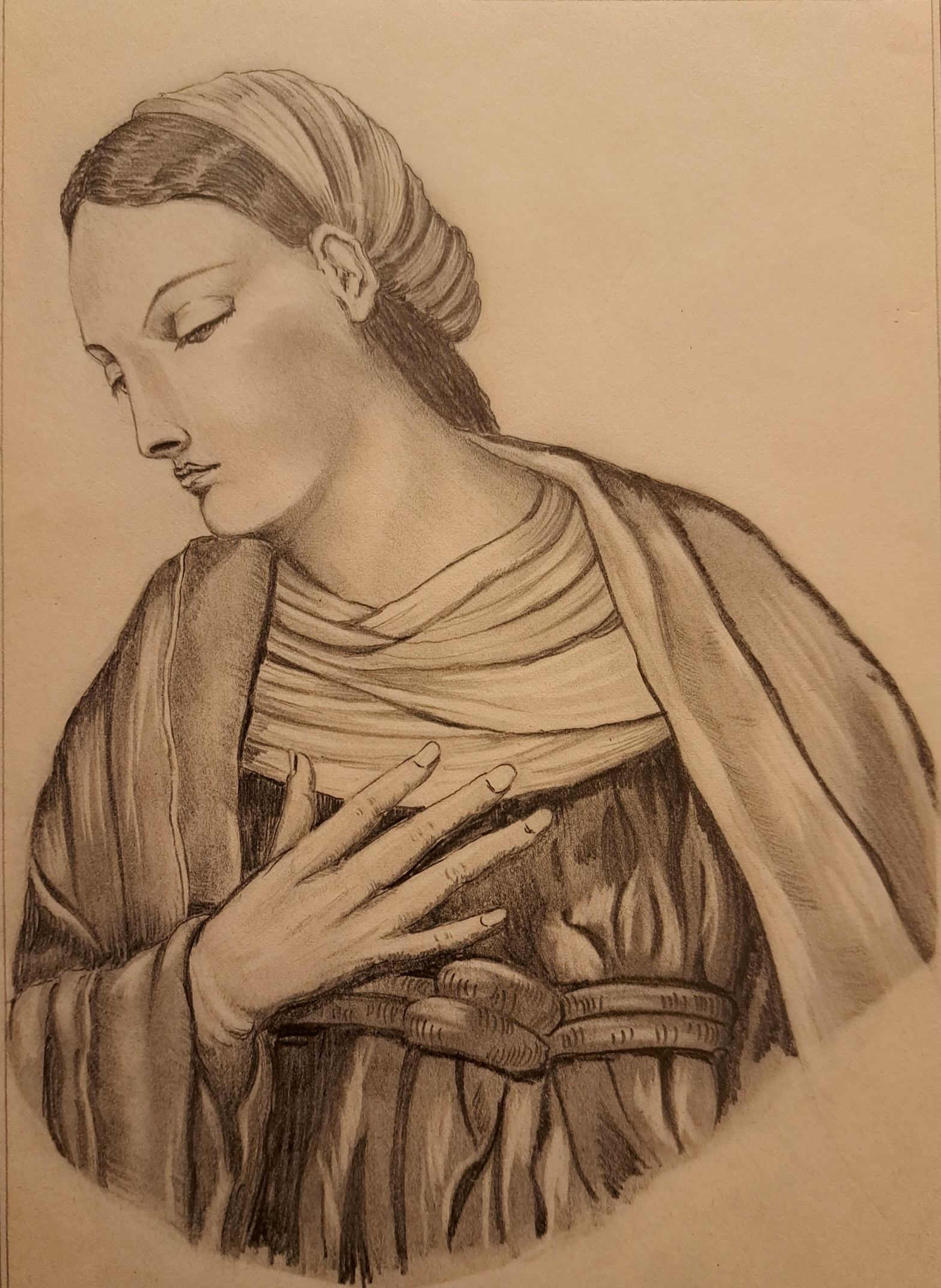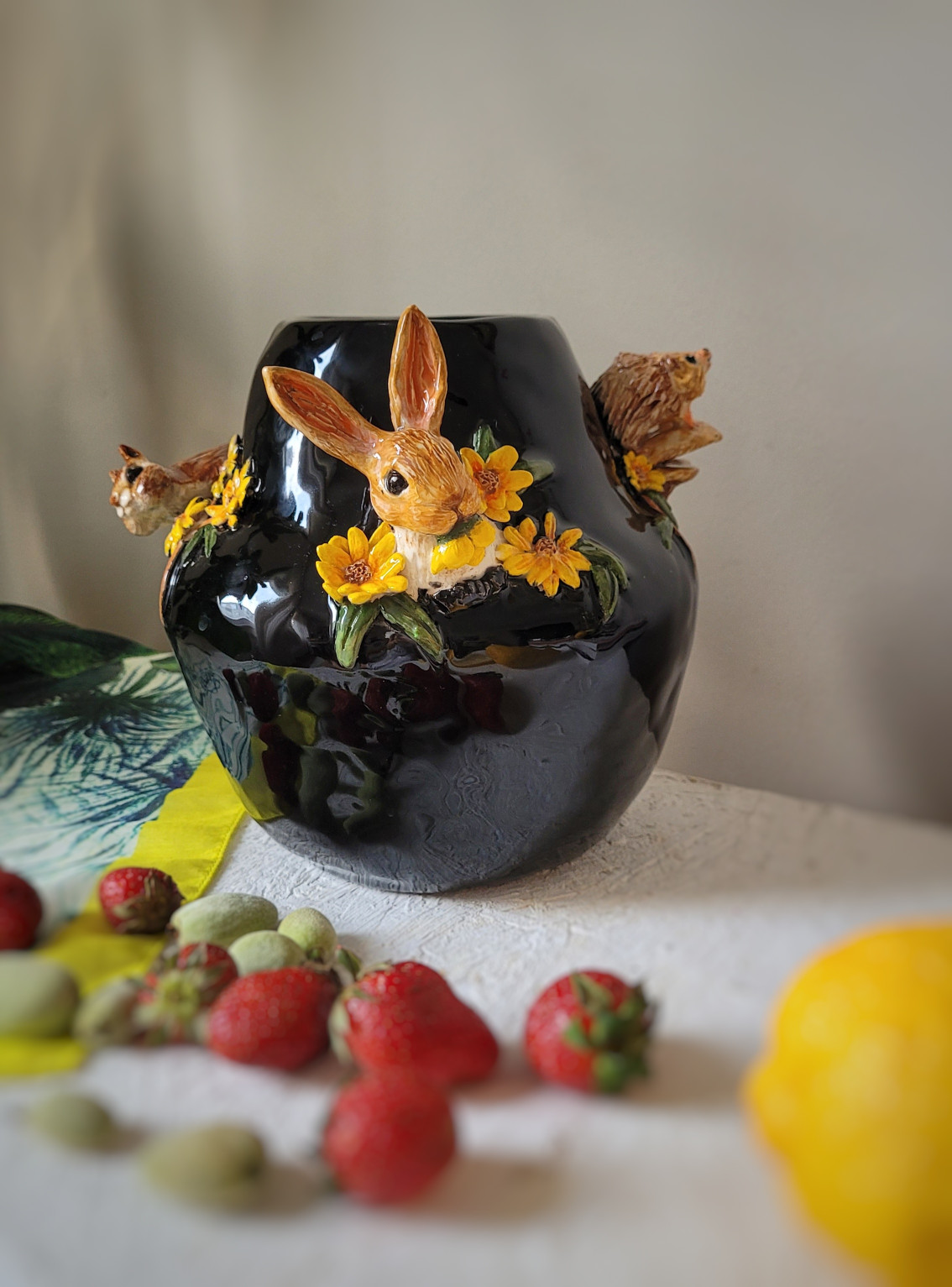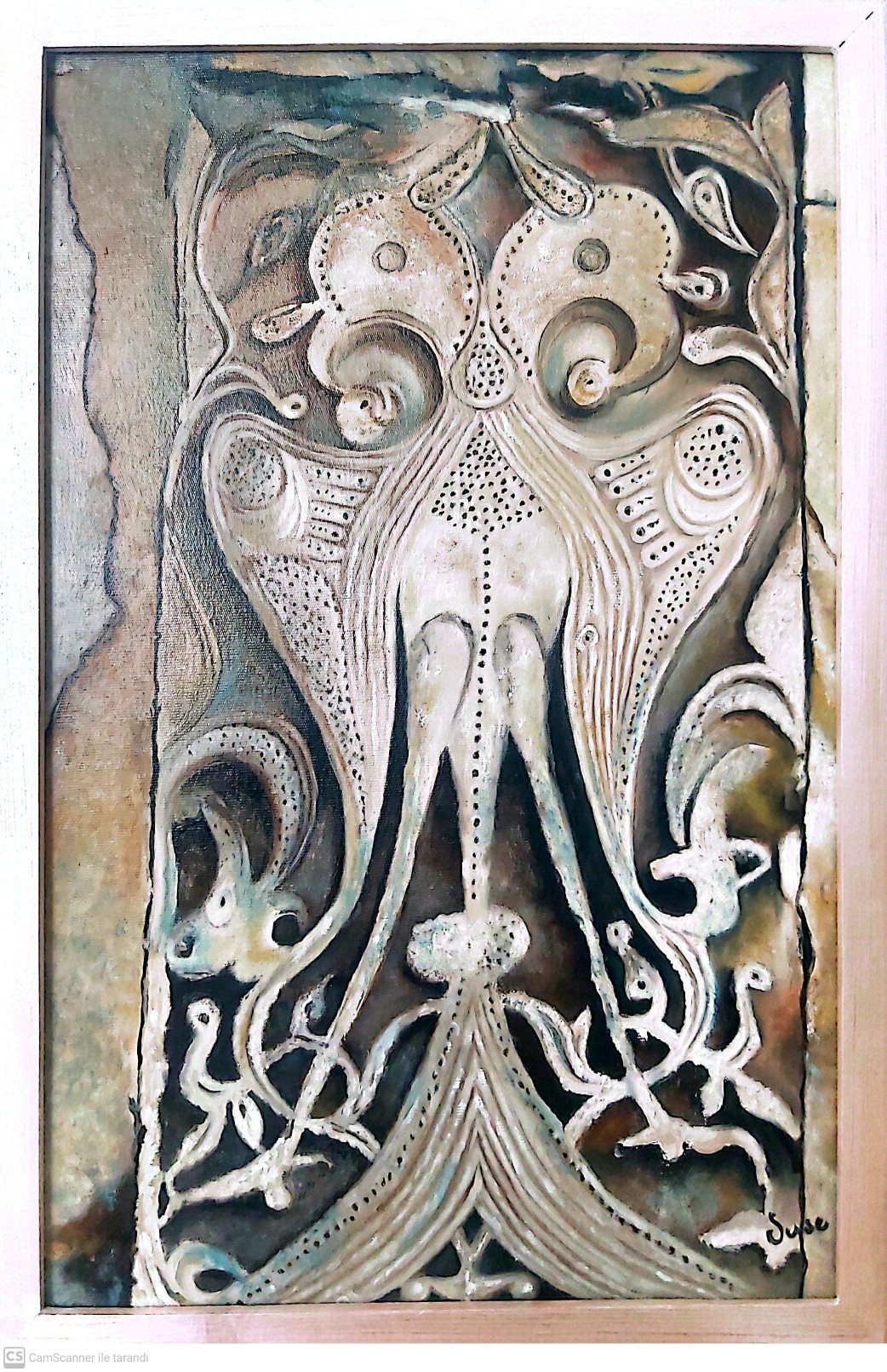


Painting
55 x 81 x 2 cm
2025
Halima Salah
Acrylic
1 | 0 Follow

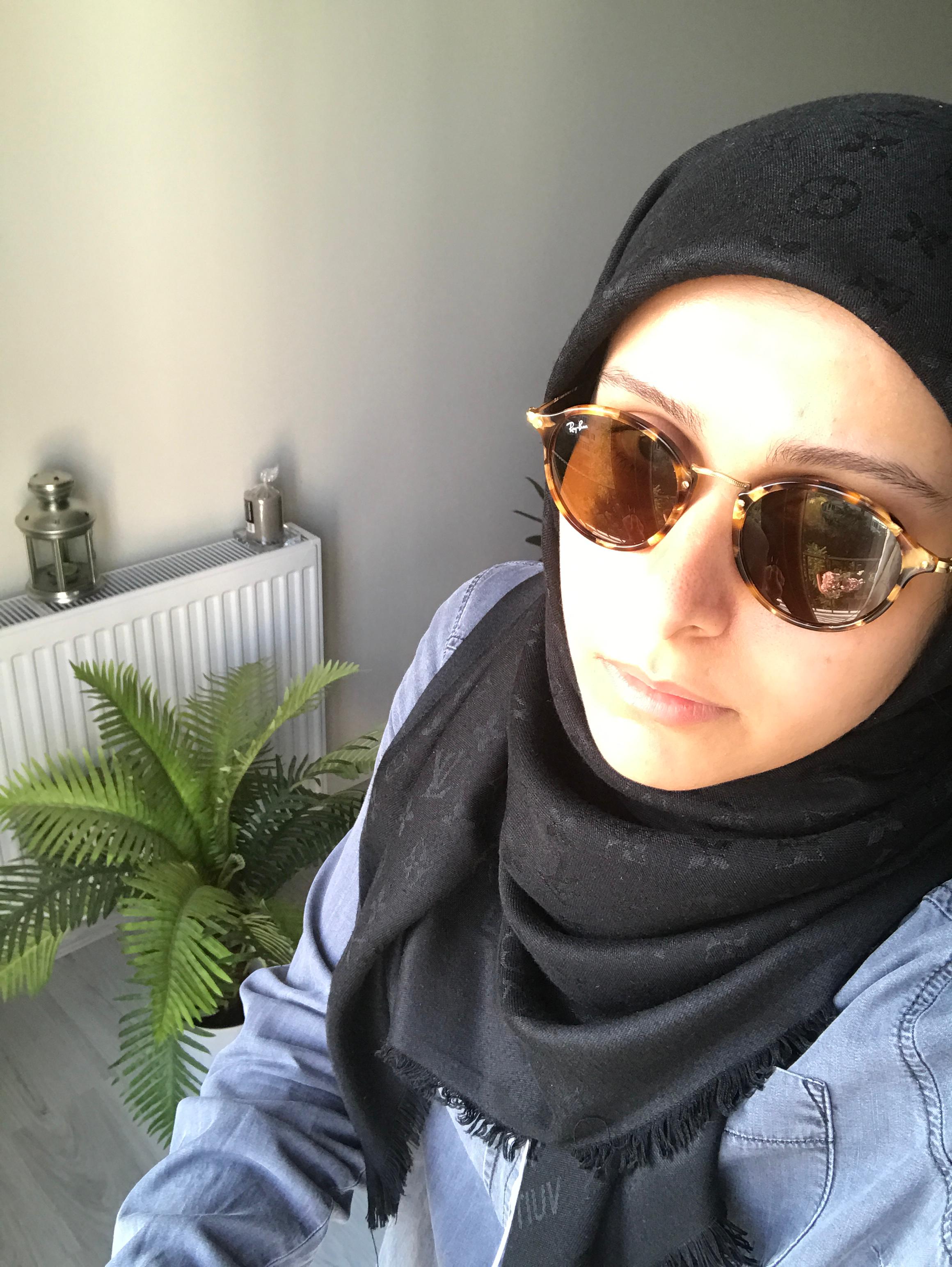
Born in 1992 in Tripoli, Libya, I spent my early years there before life took an unexpected turn. At 19, I was diagnosed with AML5 blood leukemia and had to travel to Istanbul with my family for treatment. series of abstract portraits being the most renowned. In this series, he explores the subtle relationship between shape, color, and emotion, striving to express his inner feelings through visual language. He demonstrates a profound understanding of form, color, and materials. Nothing could have prepared me for what was ahead. The hospital became a battlefield—chemotherapy, pain, and a body fighting to survive. Those days were filled with nightmares, delusions, anxiety, and helplessness. But through it all, the unwavering support of Allah and my family became my anchor. By His grace, I survived, but I emerged as the “isolated girl” in society. My illness had disrupted everything—I was in my final semester of university, studying Botany, when life hit pause. Drawing had always been a part of my life, my very first language of expression since childhood. But after treatment, I found myself trapped in isolation. My doctor suggested I learn Turkish to rebuild my connection with the world—and it worked. I soon realized that my old life in Tripoli no longer fit, so I chose to stay in Istanbul. I stepped into the corporate world, where I’ve been working ever since. As much as it has shaped me, it has also overwhelmed me—filling my mind, stressing me out, and pushing my anxiety to new heights. Over the years, I underwent more than 10 surgical procedures. The weight of it all built up inside me, overflowing beyond what I could contain. That’s when I turned to therapy—and, naturally, back to art. Painting and drawing became my escape, a way to quiet my thoughts and translate the chaos within me onto paper and canvas. Nothing feels more natural than letting my mind express itself through lines, colors, shades, and unexplained shapes. I’m often asked about the meaning behind my paintings—but most of the time, I don’t have an answer. Still, I’ve chosen to follow this path and see where it leads, hoping it takes me to the place I’m meant to be.
50.000₺
50.000₺
600$
600$
40.000₺
600$
1.500$ 900$
40.000₺ 30.000₺
2.000$
25.000₺
795₺
1.453€
10.000₺
50.000₺
2.800$
1.500₺

300$
15.000₺
1.000₺ 750₺
350€
8.500₺
500€
500€
1.000₺
35.000₺
20.000₺

 Nada Dahawi